

Return on Art
The Governance Framework for Public Value
We help institutions classify, measure, and communicate public value in the language that drives funding, policy, and institutional legitimacy.
Creative work produces measurable public outcomes.
Most governance systems were not designed to recognize those outcomes.
What gets measured is what gets funded.
Decision makers fund what they can define, measure, assign responsibility to,
and align with civic priorities.
When creative outcomes are not classified within governance systems, they remain structurally invisible in decision-making.
Return on Art™ creates the infrastructure to:
classify human outcomes,
align them with institutional priorities,
and translate them into funding, policy, and long-term legitimacy.
Overlooked and Undervalued?
You’re not alone.
People still view the arts and culture as “nice to have” rather than civic infrastructure.
For too long, we’ve measured value by what we produce, not what we change.
This has created a disconnect between what the arts do and what institutions recognize.
The arts are not in the business of outputs.
They are in the business of human outcomes.
Confidence. Connection. Empathy. Well-being. Workforce readiness.
That is not a side effect of the work.
It is the work.
The challenge is not impact.
It is how that impact is defined, measured, and communicated.
And that is what determines whether the work is funded, supported, and sustained.

The problem is not cultural impact.
It is institutional recognition.
Most arts and cultural organizations are still evaluated through attendance, participation, and transactional outputs.
Institutions allocate resources based on what they identify as
legitimate public value.
Return on Art™ helps organizations translate cultural impact into language that funders, boards, and public systems can recognize, measure, and sustain.
Because relevance is not determined by passion alone.
It is determined by institutional alignment.
Creative work produces outcomes we can now measure: belonging, empathy, self-agency, critical thinking, and relief from loneliness.
What has been missing is not impact, but how that impact is defined, captured, and used in decision-making.
We translate lived experience into measurable public value, so your work grows in credibility, investment, and influence.
We turn lived experience into measurable public value.
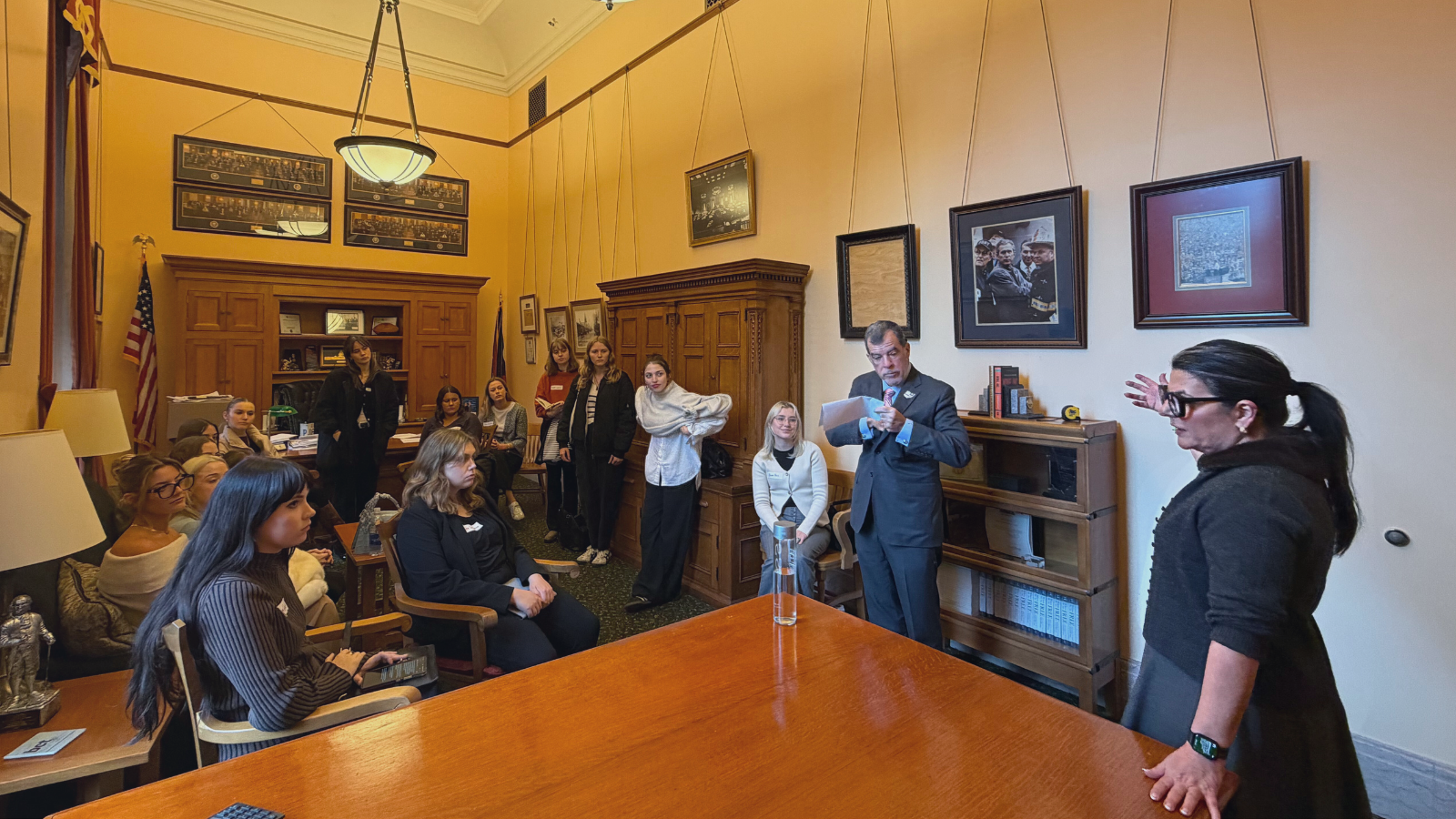
The work behind the work.
Real change happens in rooms where arts leaders, policymakers, and funders align around what the arts actually produce.
These are working sessions, where outcomes are defined, language is clarified, and strategy shifts from storytelling to investment.
This is how work moves from being appreciated to being funded.
How We Turn Impact Into Investment
The arts have spent decades defending their value.
We help prove it in ways funders, policymakers, and institutions actually use to make decisions.
This is how relevance becomes measurable, fundable, and sustainable.
This is the pathway for moving organizations from being overlooked to being consistently funded.
Our work follows a clear five-step pathway:

Organizations Using
Return on Art™ Thinking
Trusted by arts councils, funders, and cultural organizations leading the next wave of data-driven advocacy.


Trusted by arts leaders, councils, and funders redefining the future of arts impact.
Testimonials
“Angela listened thoughtfully to our specific regional concerns and offered clear, actionable steps to help elevate and streamline our arts advocacy work. Her professionalism and collaborative approach made a lasting impact.”
—Melissa Astin, Director of Grants & Community Engagement at ArtsBuild
“Only a very small group of experts in the field understands that changing the way in which nonprofit arts organizations do business is the only answer to every issue the sector faces. By insisting on leaning into the “nonprofit” side, Angela is among the few who have risen to the top of the field when it comes to impact and sustainability. In short, she gets it. Those who are lucky enough to work with her can only benefit from the change she inspires.”
—Alan Harrison, Nonprofit Arts Author of Scene Change, and Consultant
“Angela’s leadership through the Collaborative Arts Impact Initiative has not only reshaped how we think about impact —it’s challenged me personally to lead with more clarity, courage, and accountability. She has given us the language, tools, and conviction to build programs that not only feel meaningful but also prove it. That’s a lasting shift.”
Emily Oilar, Director, Planning and Strategic Projects, Wexner Center for the Arts
Arts Funding Resources
Practical strategies, frameworks, and insights to help you turn impact into investment.
ARTS Redefined YouTube
ARTS Redefined Podcast
Arts Leadership & Impact Newsletter